Projects
Te Rua
A national legacy in the making. Preserving Aotearoa’s past for the future.
Client
- Department of Internal Affairs
Project Leads
Location
- Wellington
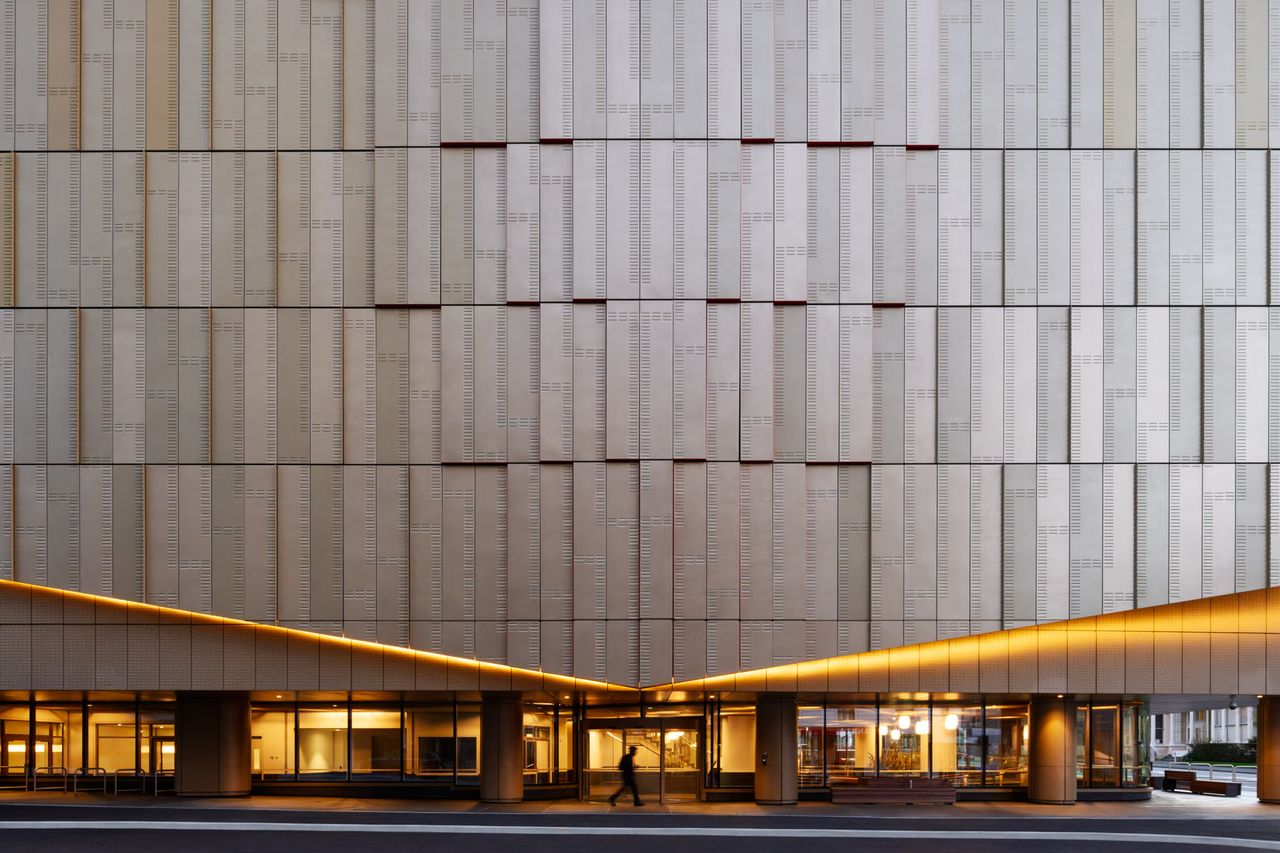
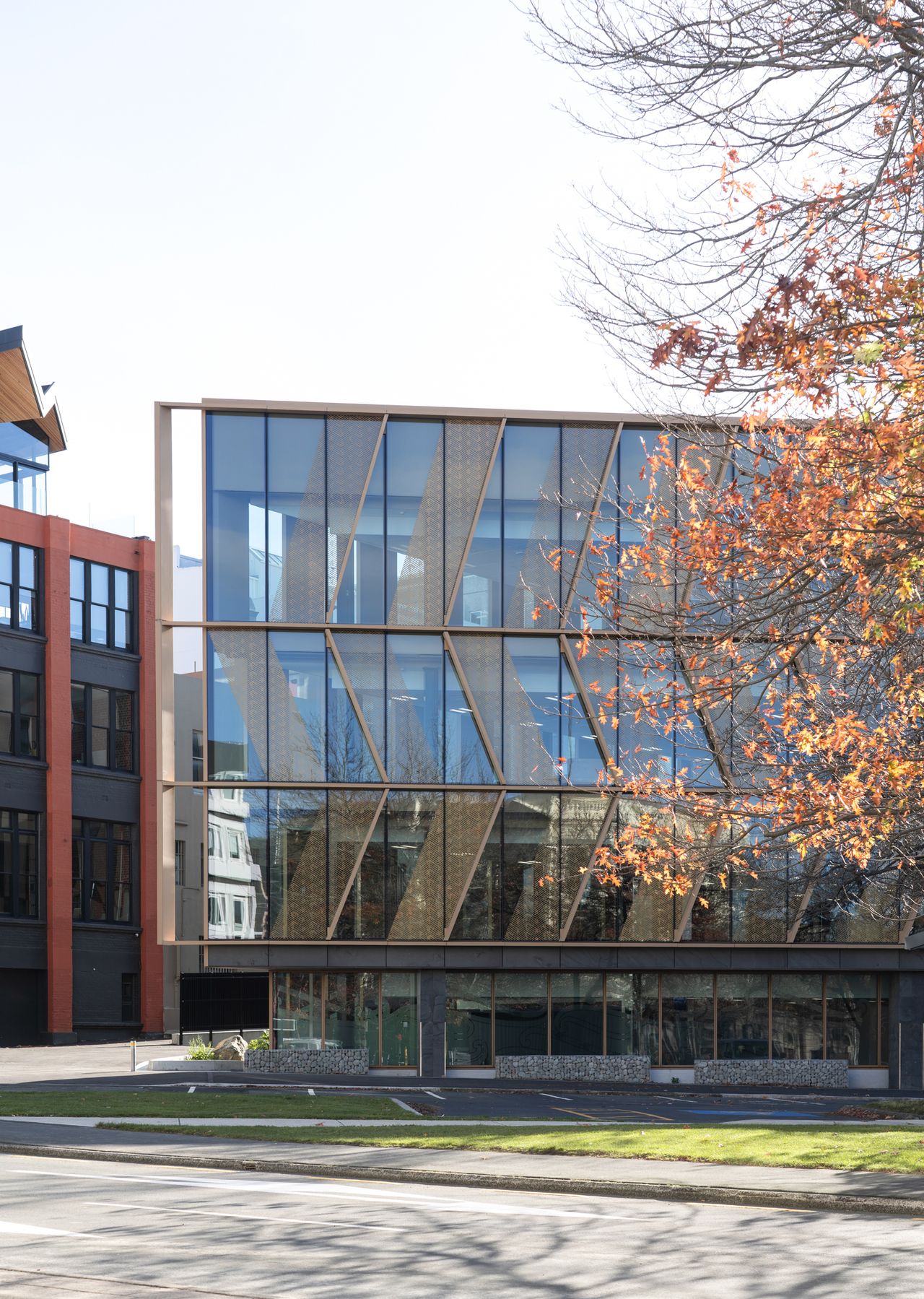
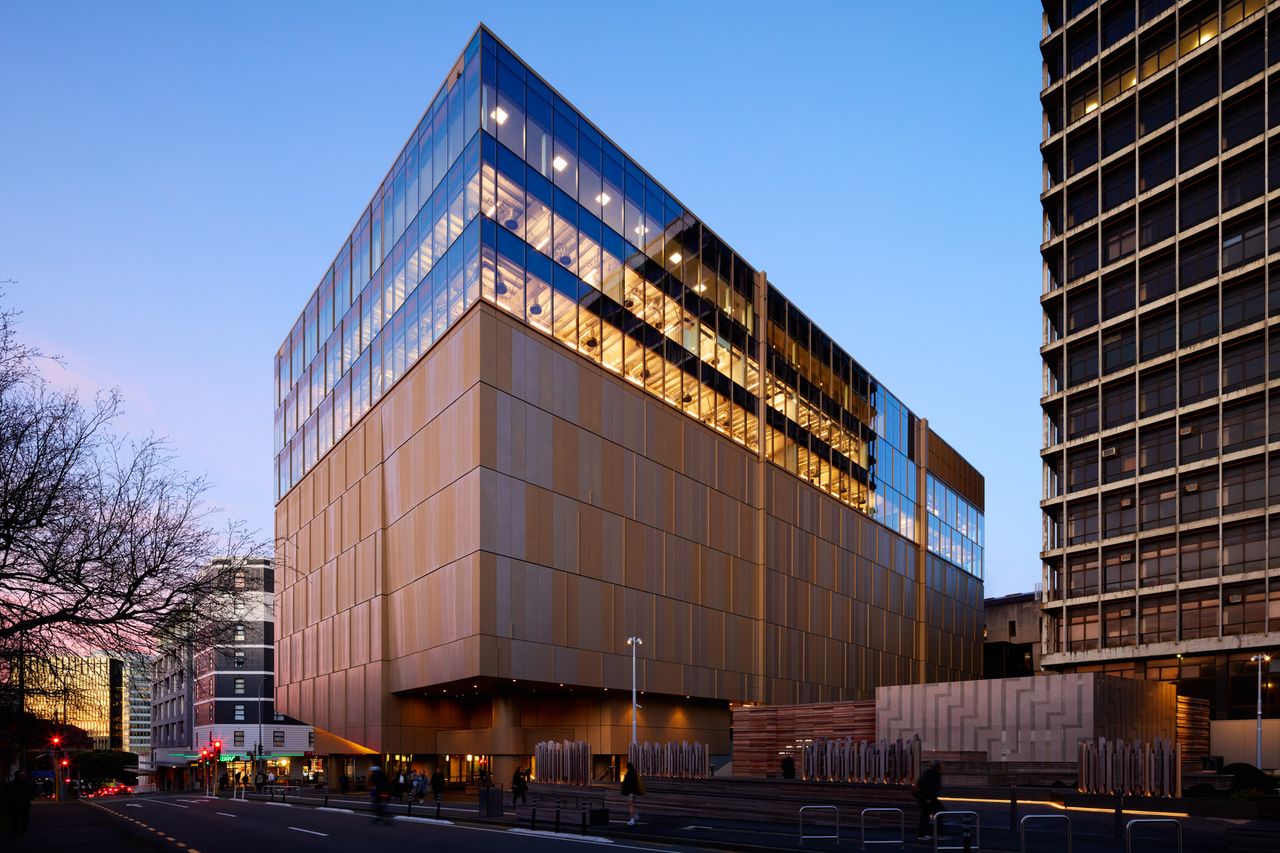
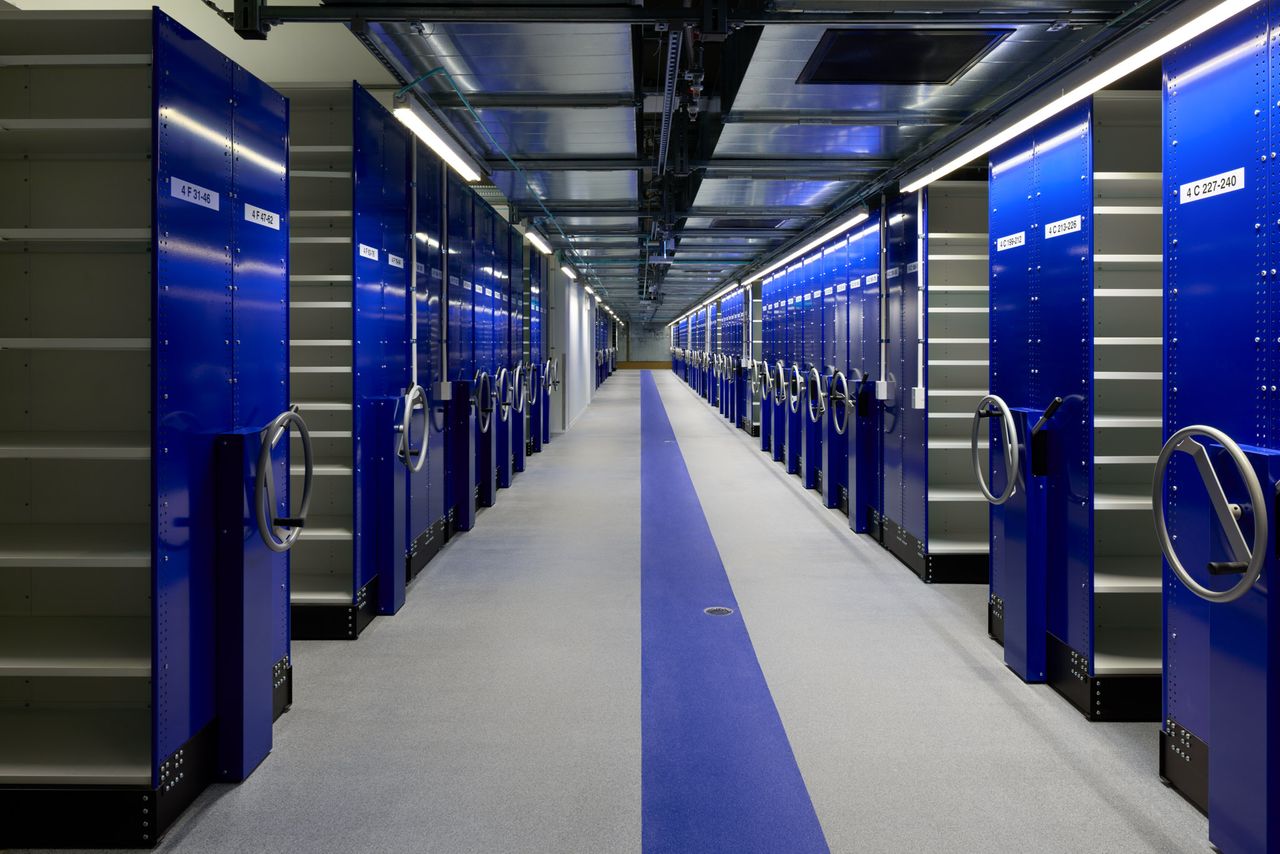
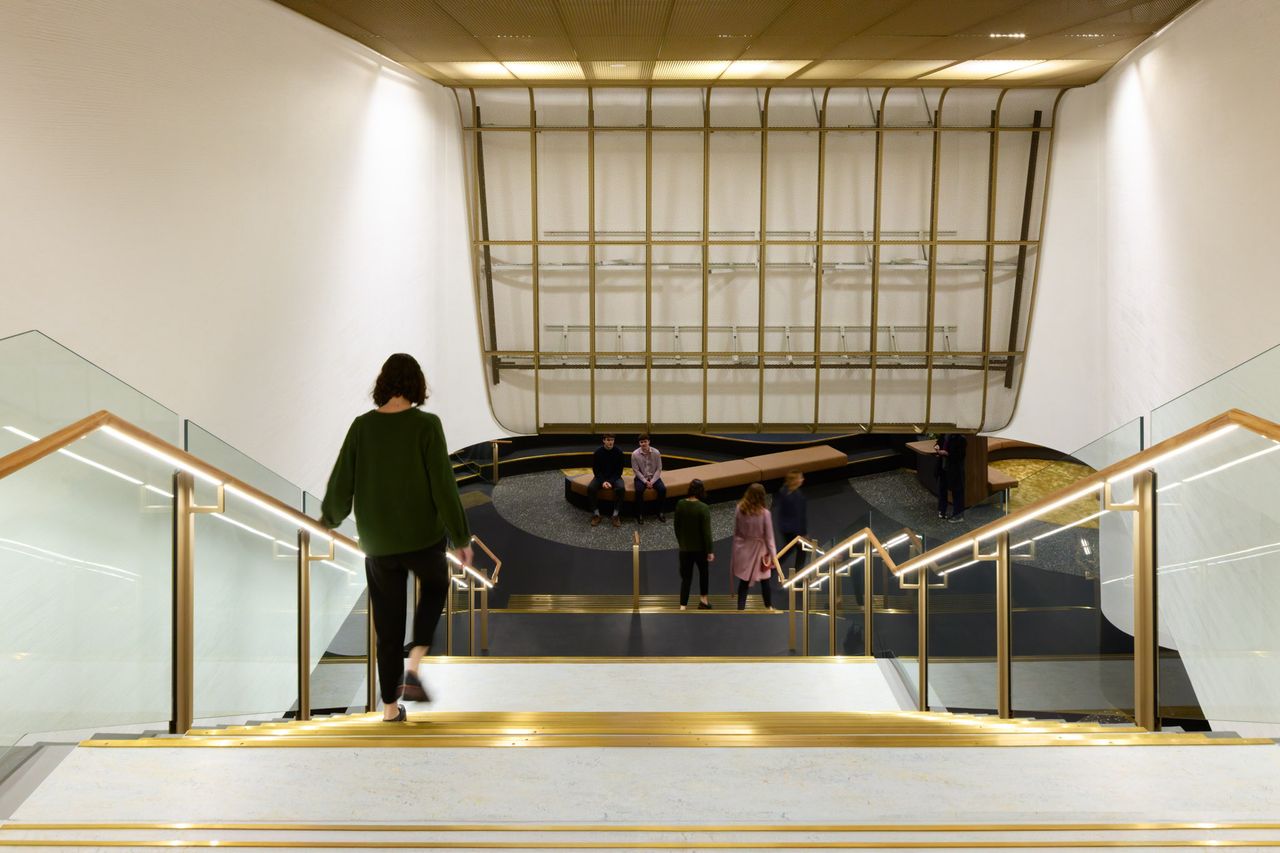
Te Rua - New Zealand archives building is a landmark development for New Zealand, ensuring the long-term protection and preservation of the nation's taonga. Situated in the heart of Wellington’s government precinct, this state-of-the-art facility has been purpose-built to safeguard some of the country's most historically significant records.|
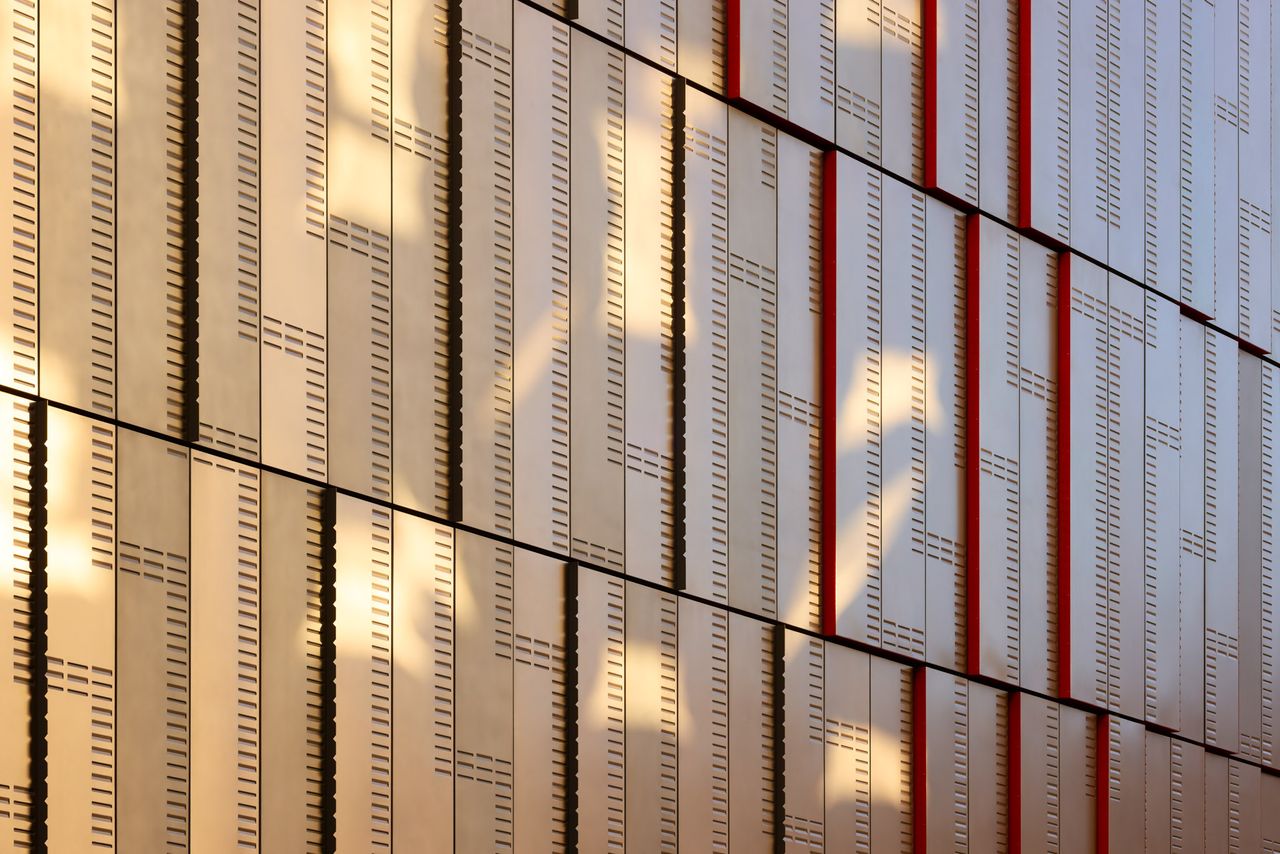
Delivered by Dexus in partnership with the Department of Internal Affairs (NZ), Te Rua is New Zealand’s most seismically resilient building, it is designed to withstand extreme earthquakes while ensuring business continuity. In addition to its world-class climate control systems, the facility integrates innovative sustainability features and culturally significant design elements, creating a structure that embodies both modern engineering excellence and deep cultural respect.
RCP was engaged as the project manager, overseeing design, procurement, and delivery to bring this national treasure to life. Working alongside key partners including Dexus, Warren and Mahoney, Aurecon, NDY, and LT McGuinness, RCP played a pivotal role in coordinating complex stakeholder interests and technical challenges to ensure the project’s success.
Setting a New Benchmark in Seismic Resilience
The archives building has been engineered to exceed New Zealand’s New Building Standard (NBS) by 150%, making it one of the most earthquake-resilient structures in the country. A key challenge was integrating seismic movement into a facility designed for strict environmental control. This was resolved through innovative jointing solutions and precision engineering, ensuring stability while maintaining the necessary climate control to protect historical records.
Key seismic features include:
38 triple-pendulum base isolators, each 2.1m in diameter, allow the building to move 1.3m in any direction during a seismic event.
Designed for three levels of seismic performance:
Business continuity after a 1-in-500-year earthquake.
Limited damage after a 1-in-1,000-year earthquake.
Collapse avoidance even in a 1-in-1,800-year earthquake.
Large seismic movement joints (3,500m of vertical joints) allow walls to flex without compromising structural integrity.
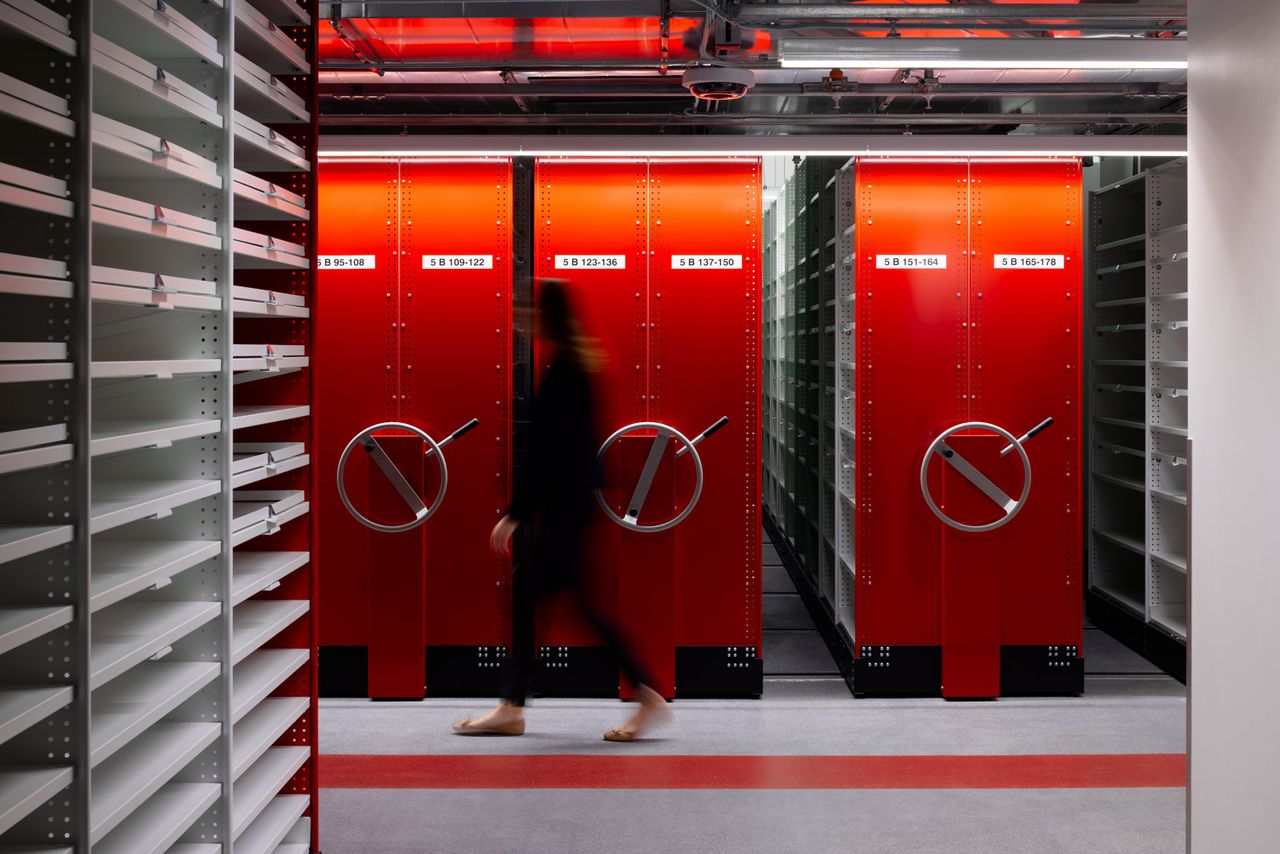
Seismically restrained shelving and fixtures protect fragile archival collections.
Exposed services and structural components enable rapid post-earthquake inspection and recovery.
Sustainability and Energy Efficiency
Sustainability was embedded into every aspect of its design to ensure long-term energy efficiency and climate resilience. Notable sustainability features include:
Air permeability ratings that enable minimal energy loss.
Backup power generators and advanced climate control systems guarantee stable preservation conditions even during outages.
Digitisation facilities reduce the need for physical document handling, enhancing conservation efforts while minimising environmental impact.
This innovative design ensures that, even if the power fails, the building remains self-sufficient in maintaining the strict temperature and humidity controls required for archival preservation.
Digitally Enabled Construction and Operation
Constructing and managing a facility of this scale, with its delicate contents and mission-critical systems- is no small task. To combat this challenge, the project team utilised a full suite of advanced BIM tools including pre-emptive clash detection, digital prototyping of the complex seismic resilience requirements, and forecasting OPEX costs in design.
A digital twin has also been utilised to integrate all building systems into a single interface, giving facilities teams real-time visibility and control. Pre-emptive maintenance alerts reduce the risk of equipment failure while intelligent scheduling tools streamline daily operations.
The digital twin also continuously monitors energy use across systems, allowing Facilities Managers to take immediate action to reduce energy without compromising environmental control for delicate archive materials.
Cultural Integration and Meaningful Design
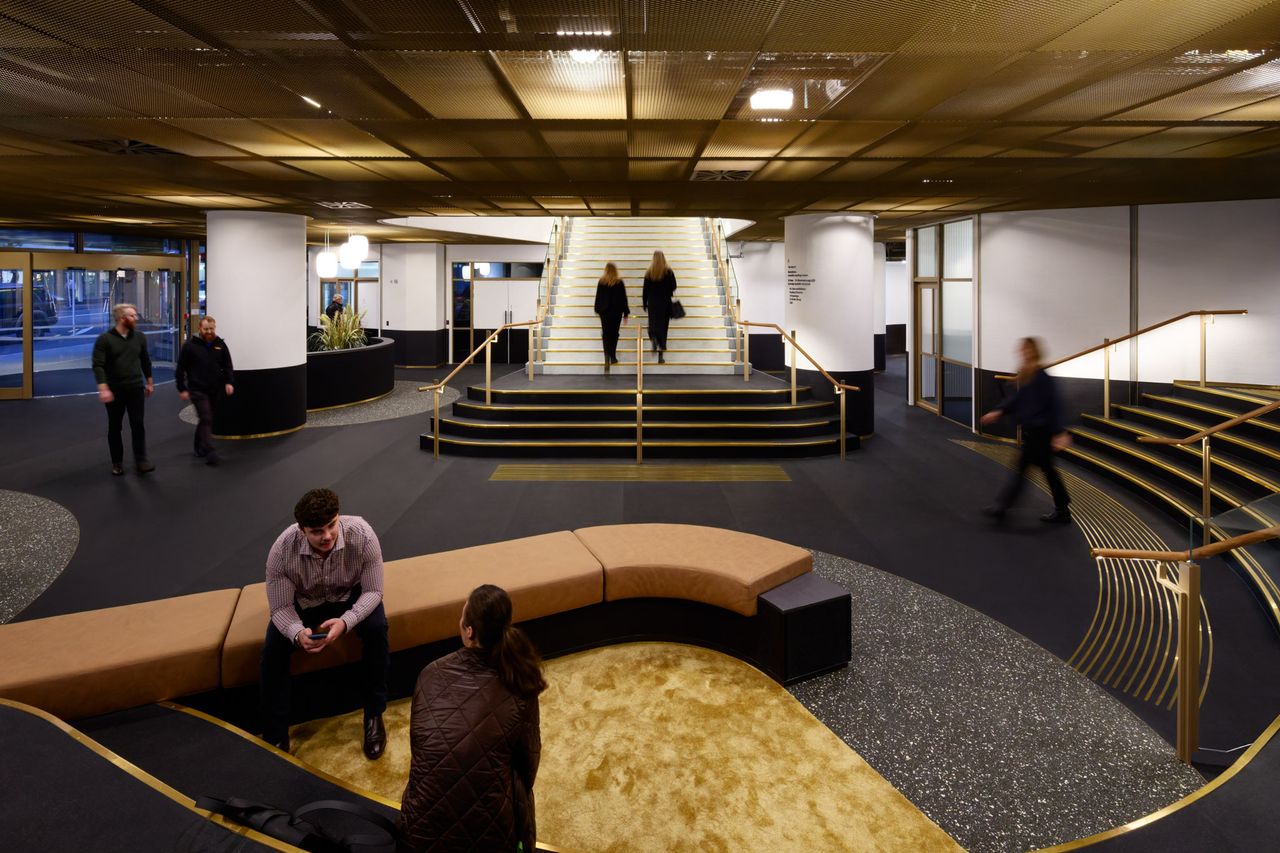
The archives have been developed with a te ao Māori worldview, ensuring deep cultural connection and respect for the whenua (land) it occupies. This commitment was reflected in a co-design partnership with Taranaki Whānui Te Āti Awa and design agency Tihei.
Key cultural design elements include:
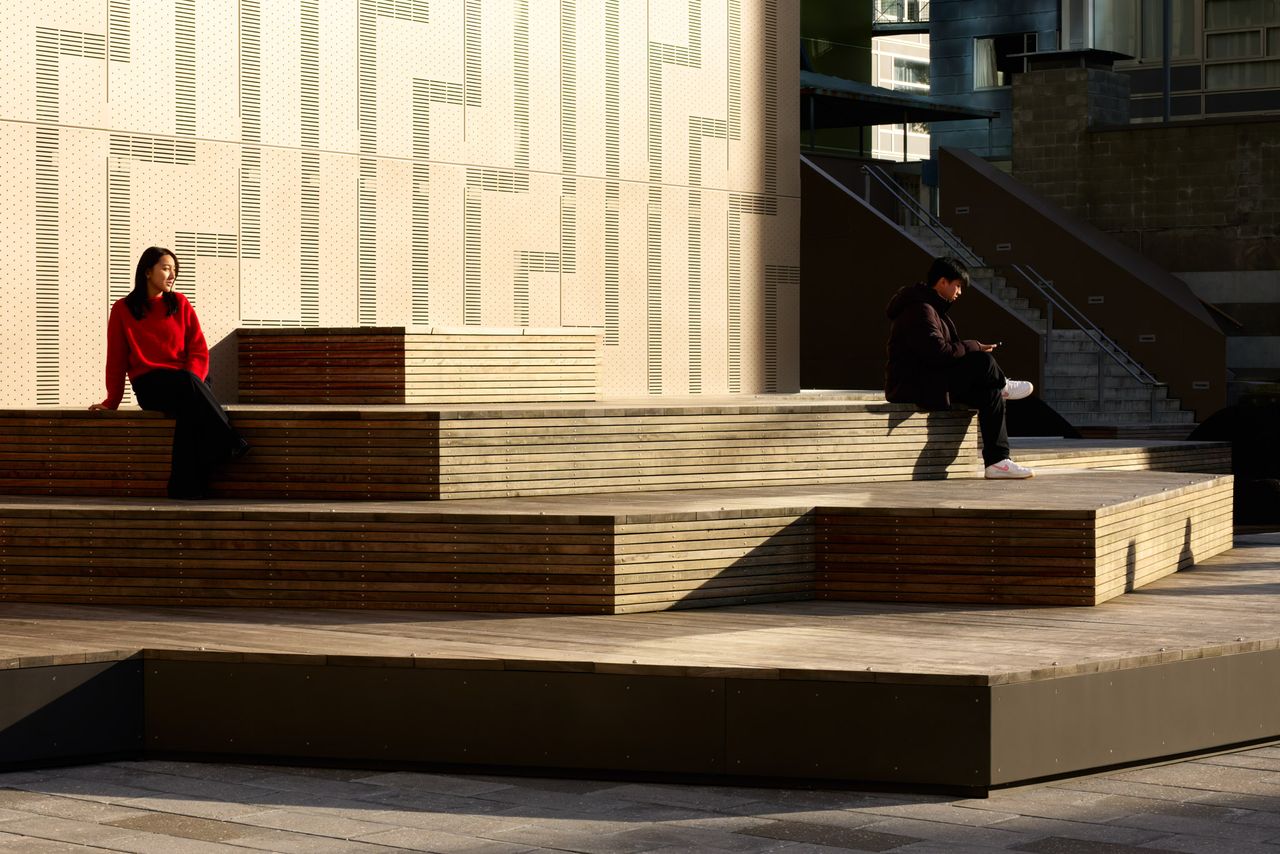
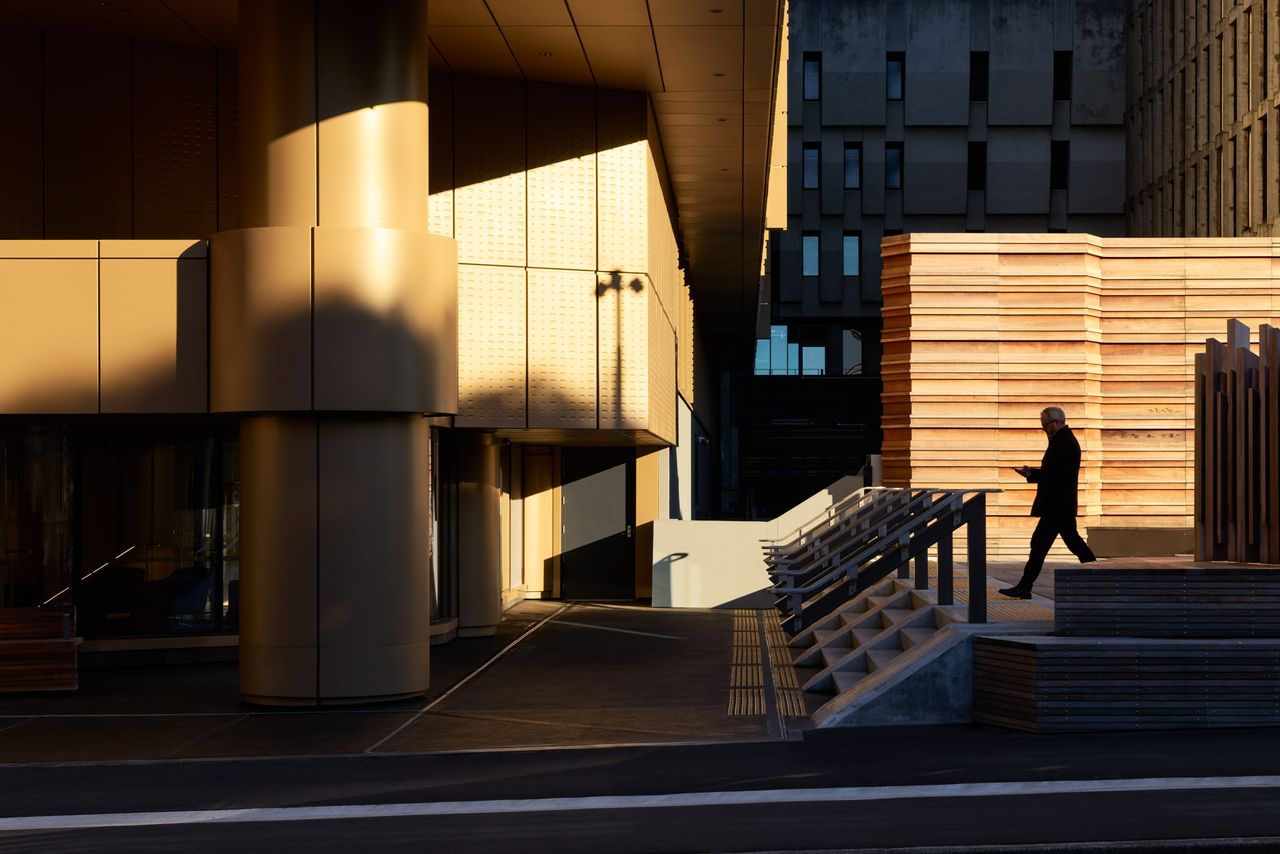
Plaza elements referencing Pipitea Pā, including pipi beds, gardens, and kumara mounds that once existed on the site.
Hapū names and inscriptions facing Parliament, reinforcing the ancestral ties of Te Āti Awa to the land.
Integration of Māori sculptural artistry by Rangi Kipa, creating a built environment that embodies mana whenua narratives.
This collaboration ensures that the building is not just a functional space but a symbol of Aotearoa’s cultural identity, reinforcing the connection between the past, present, and future generations.
A Heritage Campus For Generations To Come
The completion of the Te Rua marks a transformational milestone for New Zealand’s national heritage infrastructure. This facility will provide unparalleled protection for the nation’s historical records, ensuring they remain accessible for centuries to come.
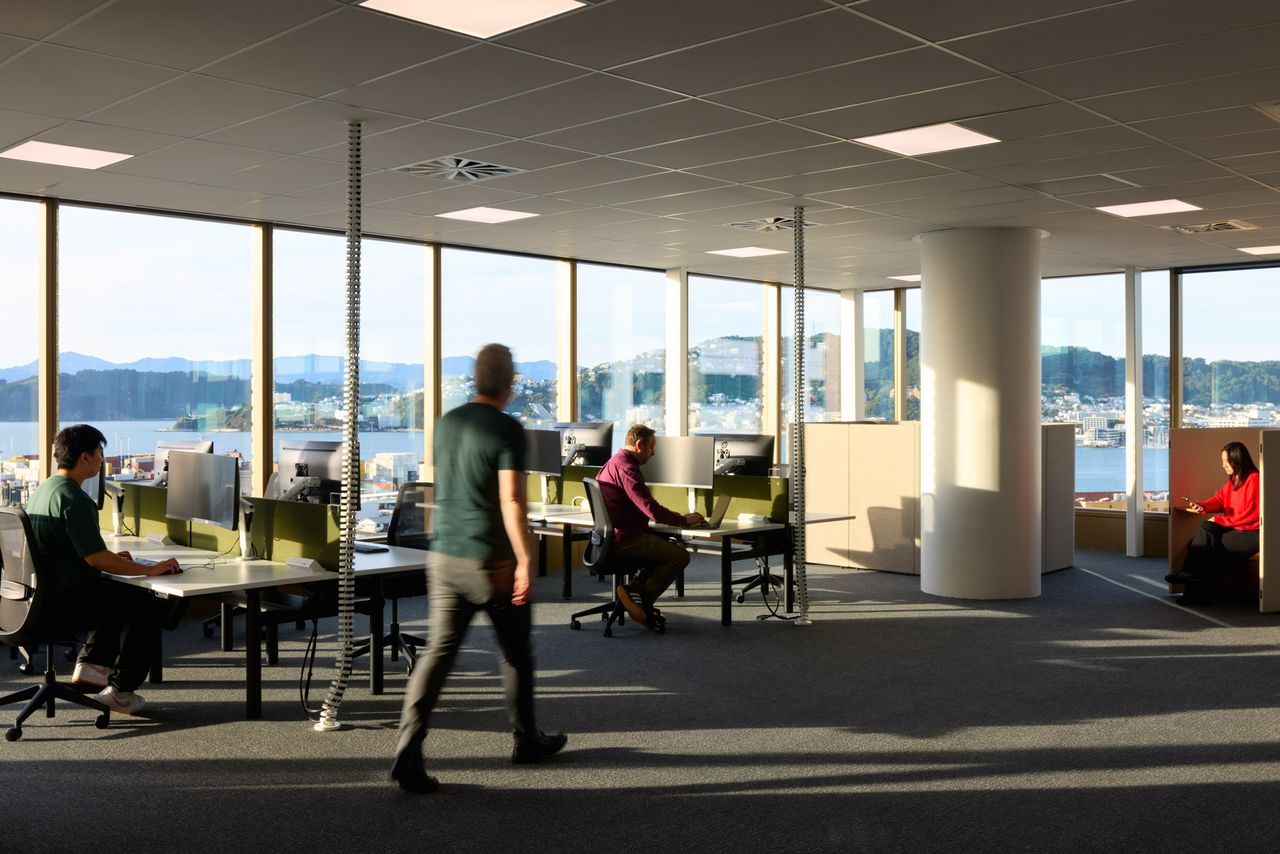
Now that the building has reached completion, the Department of Internal Affairs has taken occupancy, establishing this facility as a cornerstone of national memory and cultural preservation.
By physically connecting the Archives building to the National Library of New Zealand via a two-level bridge, a cohesive ‘heritage campus’ has been created - one that fosters enhanced collaboration, eliminates redundancies, and boosts the overall effectiveness of both institutions in serving Aotearoa.
With its world-class seismic resilience, cutting-edge sustainability, and deep cultural integration, Te Rua stands as a testament to New Zealand’s commitment to protecting its history. This project is more than just a building – it is a guardian of Aotearoa’s past, ensuring the stories of today endure for tomorrow.