News & Insights
Protecting our Nation’s Taonga
In investing circles it’s a common maxim that attempting to predict the future can be a fools game. But often, when investing in a purpose-designed building that will last for generations, it becomes a necessity to engage in a process of imagining how the world might change.
Future‑proofing is the name often given to this exercise. It blends science, judgment, experience, and a fair amount of disciplined imagination. As the world grows more complex and climate patterns less predictable, this task asks more of every project team involved.
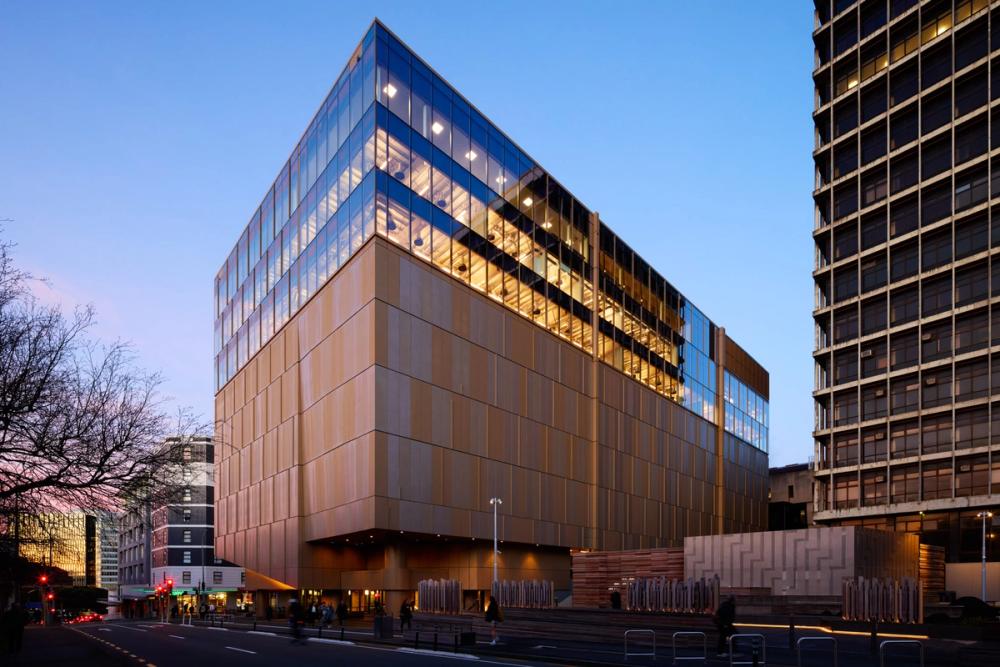
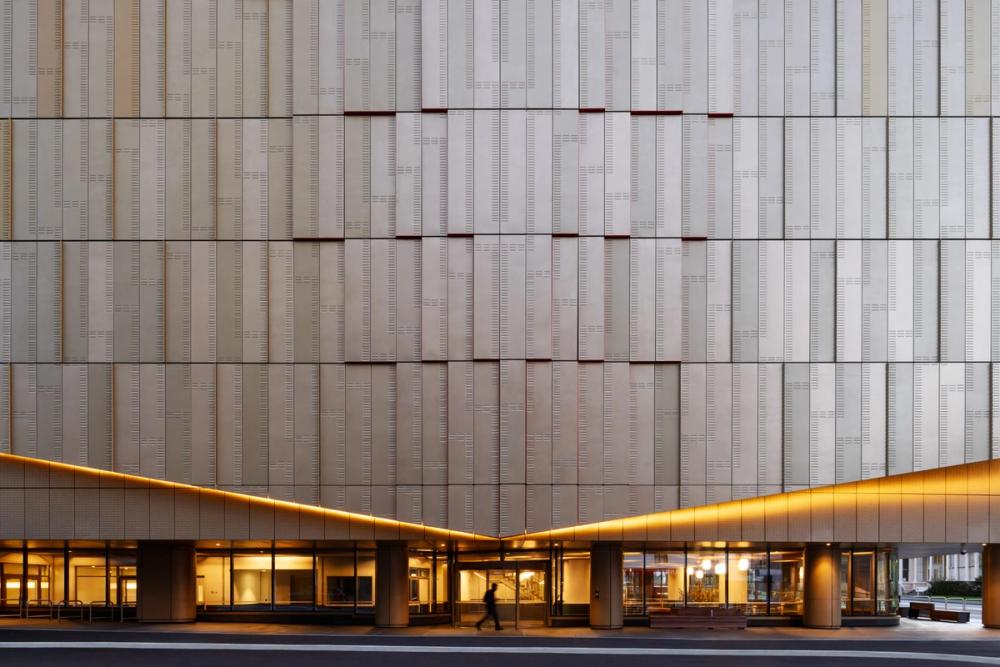
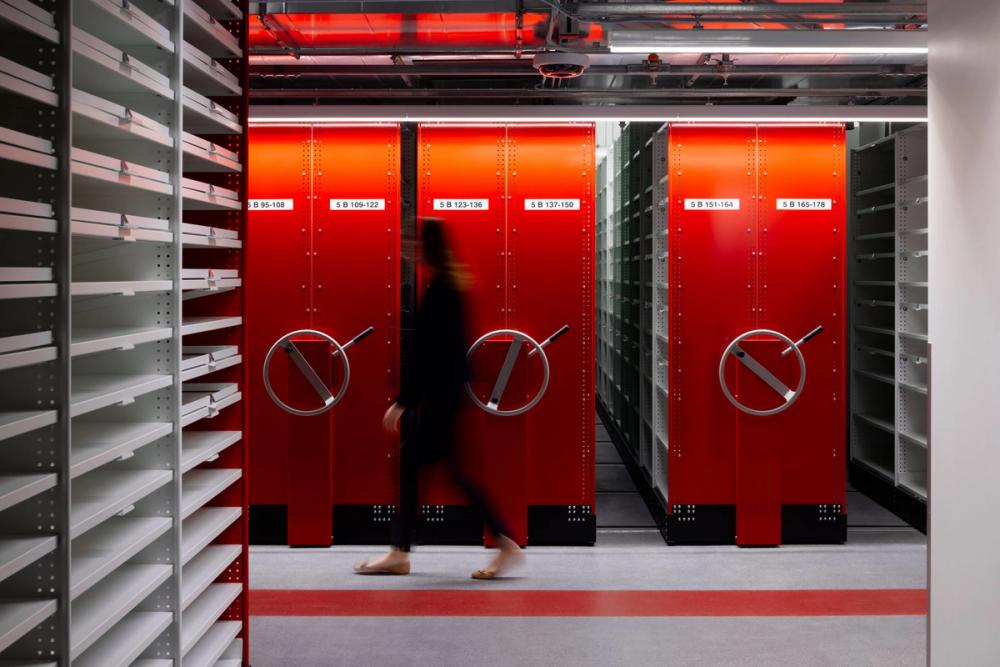
Few projects have put this challenge under the microscope quite like Te Rua - Archives New Zealand facility. Delivered by Dexus in partnership with the Department of Internal Affairs (NZ), the brief was clear: create a building capable of safeguarding the nation’s archival collections for the long term. Government records, publications, books, manuscripts, artworks, scientific data, images, and films all needed a home that would endure well beyond the life of a typical commercial building.
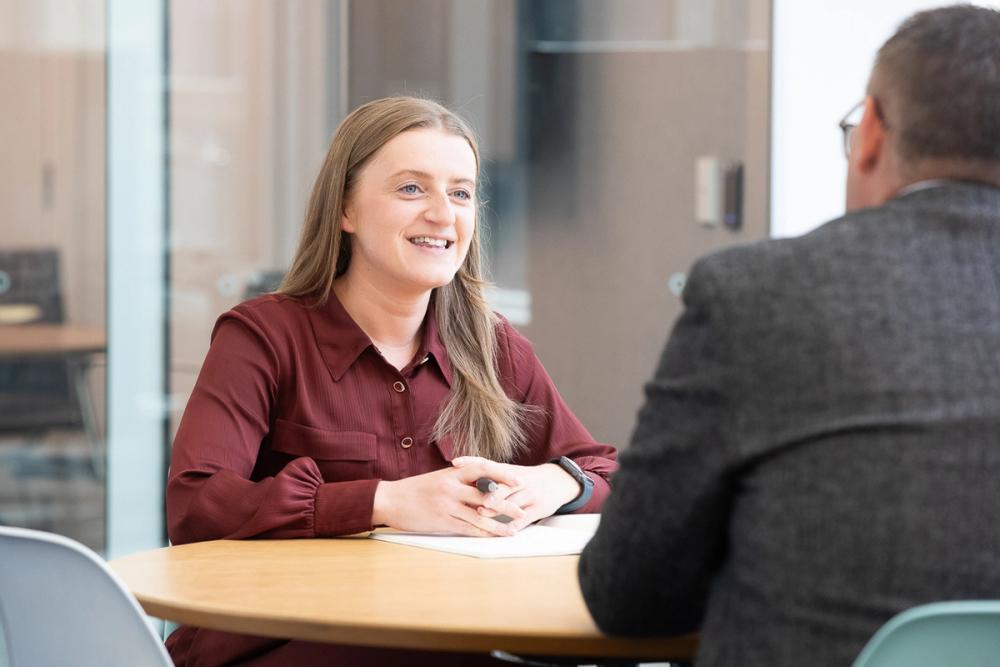
To understand how this was approached and the lessons learned, Laura Hebdon, Project Lead and Hawke's Bay Office Manager, sat down with Rob Stevens, Portfolio Director at DIA, to talk about resilience, adaptability and the realities of building for an uncertain future.
With such a complex technical challenge, how do you approach future-proofing? What potential risks drove the design?
RS: Under the Public Records Act 2005, Archives NZ are required to preserve these archives indefinitely and make them accessible to the public, so we are talking about multiple generations, beyond the life of a typical building, and into a future of uncertain times including the impact of climate change. To do this we focussed on what archives’ conservators are concerned about – the ten agents of collections deterioration – fire, water, temperature setting, relative humidity setting, light, pollutants, pests, force, theft, and neglect. All but the last of these are highly reliant on the building design and operating reliability.
When you’ve got such a difficult technical brief, how did the team approach adaptability?
RS: Operational changes over the lifetime of the building are inevitable and the practicality and cost of making changes to a highly technical building like this is an important consideration.
This is where the design of building components and adaptability intersects with serviceability. An example is the highly specialised plant that maintains the controlled atmosphere conditions of the multi-level repositories, which is both centralised and separated from the repository spaces. This provides efficiency and redundancy gains through share plant, and also enables the maintenance or replacement of plant to be made with no risk to the collections.
The BMS is such an important control centre for managing the efficient running of the building and the ability to dynamically make system adjustments in real-time. As the building is leased our conservators were concerned they would be unable to access the BMS information to monitor conditions or to make adjustments. This has been overcome by utilizing the building digital twin with the operational interface of the Twinview FM platform. With Twinview, building maintenance contractors and conservators can run reports, plan maintenance, make and test adjustments, or drill down to detailed asset information as needed.
What are some of the common myths about “future‑proofing” you’d like to retire?
RS: The approach I tend to take is to analyse and measure the known needs and benefits you have a high level of confidence of getting from a build project in a foreseeable timeframe, and not get distracted about investing in ‘future-proofing’ for a largely unknown future.
“I’ve been working with building design for more than 40 years and formed a view that “future‑proofing” is very hard to do, as there are just too many variables to ever know what is the likely future and what the needs will be.”
We can however think about the potential for buildings to be repurposed and altered into the future where practical – a whole of life thinking is an important sustainability consideration. While the Te Rua building is quite bespoke, there was consideration of how the building programme and services are laid out for efficiency of refitting in the medium term and how the base building could be adapted in the longer term beyond the life as an archive facility.
Where do you see the next major advancements in resilience coming from?
RS: I’m really interested in the AI opportunity for intelligent building operation. For example, optimising energy use within defined parameters, not only saving costs but also saving time of a ‘trial and error’ approach to manual adjustments. One of the most important factors in getting the most from AI is to have rich data, including a detailed BIM model, extensive control systems and a multitude of building sensors. The new Te Rua archives building has been designed with this in mind, and I envisage operating efficiency could be AI assisted in the near future.