
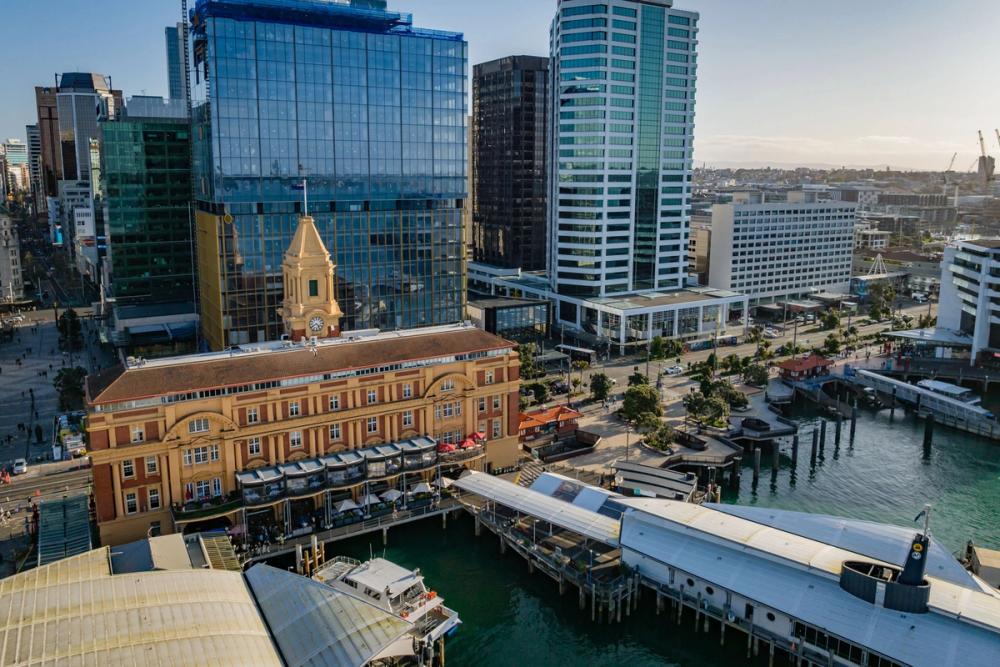

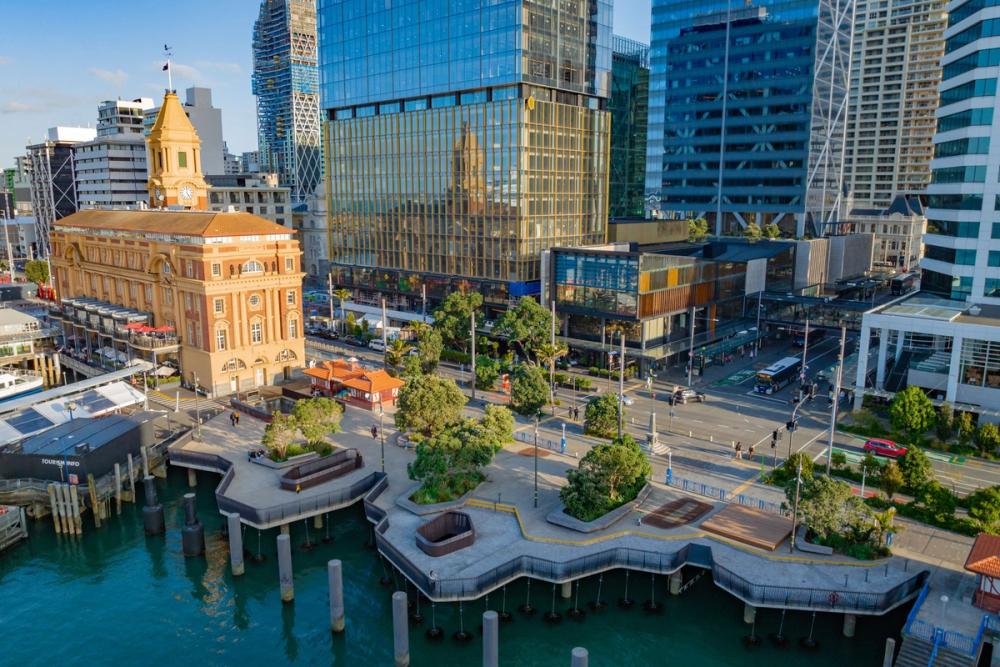
RCP led the commercial and financial management of the programme for Auckland Transport. Across the six projects RCP took day-to-day charge of the commercial matters, set the approach to cost and programme risk, and ran financial review and value management with the quantity surveyors and programme controls to keep each project inside its budget. RCP also managed the funding interfaces between Auckland Transport and Auckland Council, and planned the operational staging, working out what ferry, bus, utility and business operators could carry so the waterfront kept running through construction.
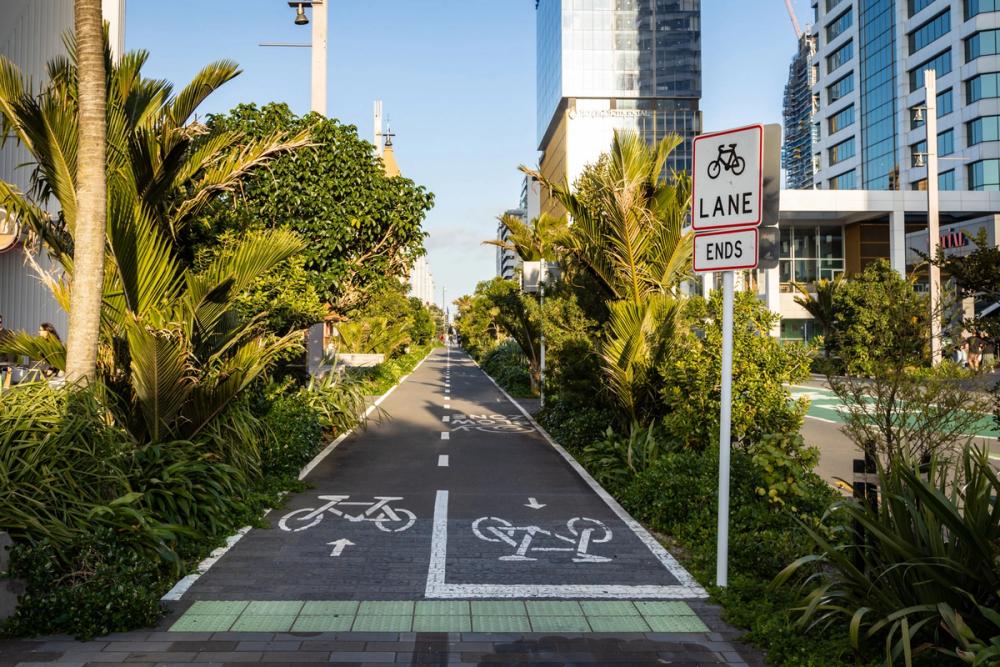
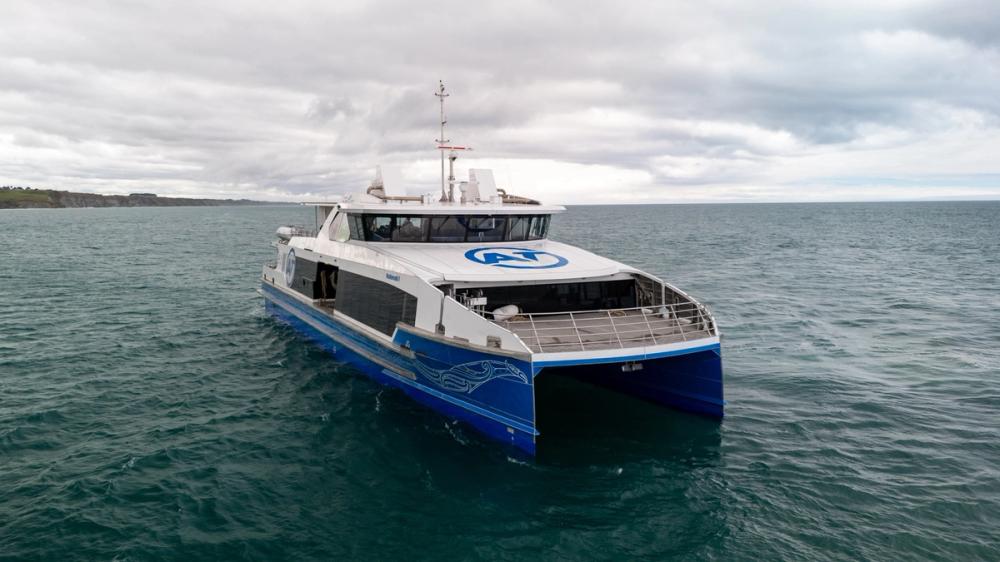
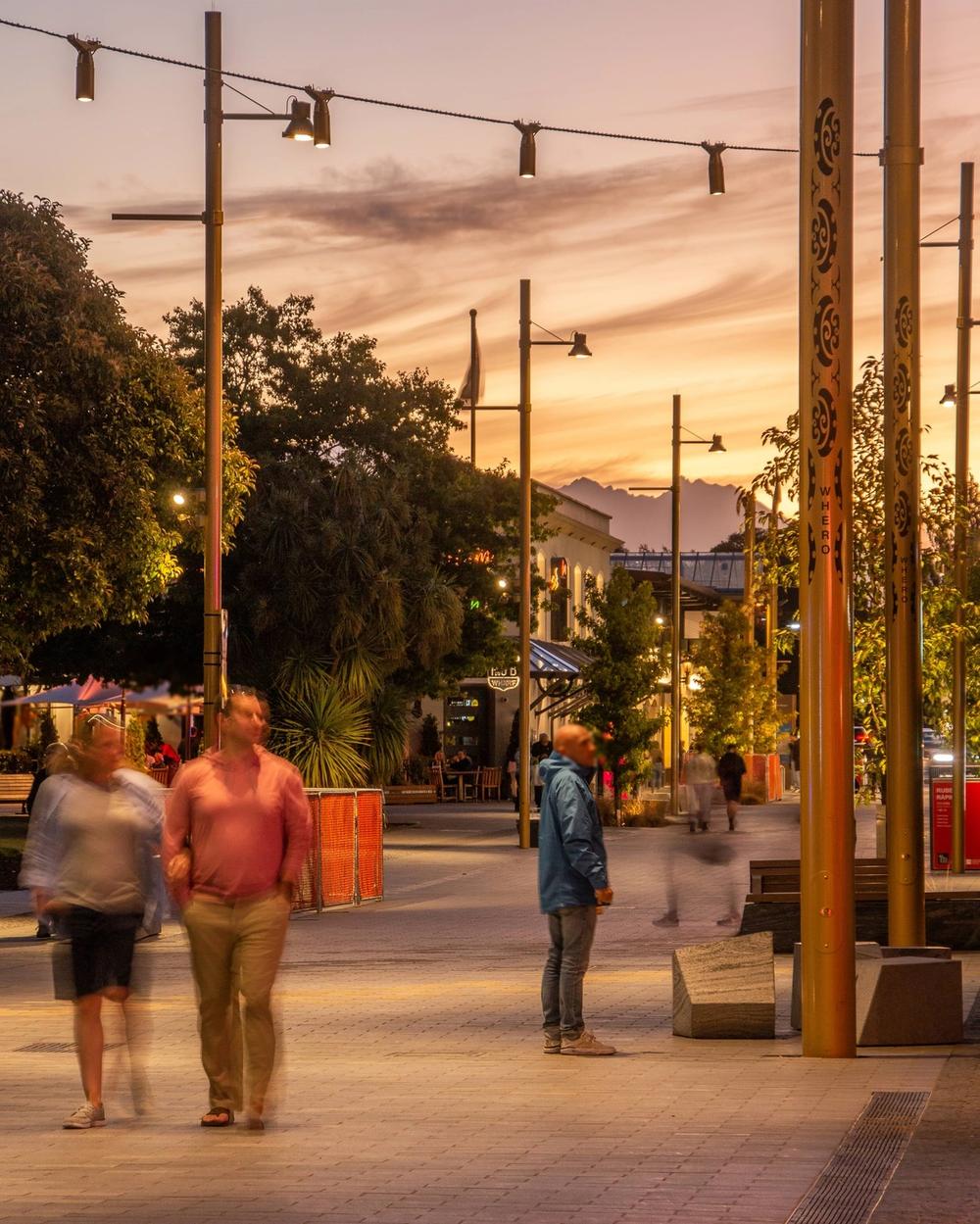
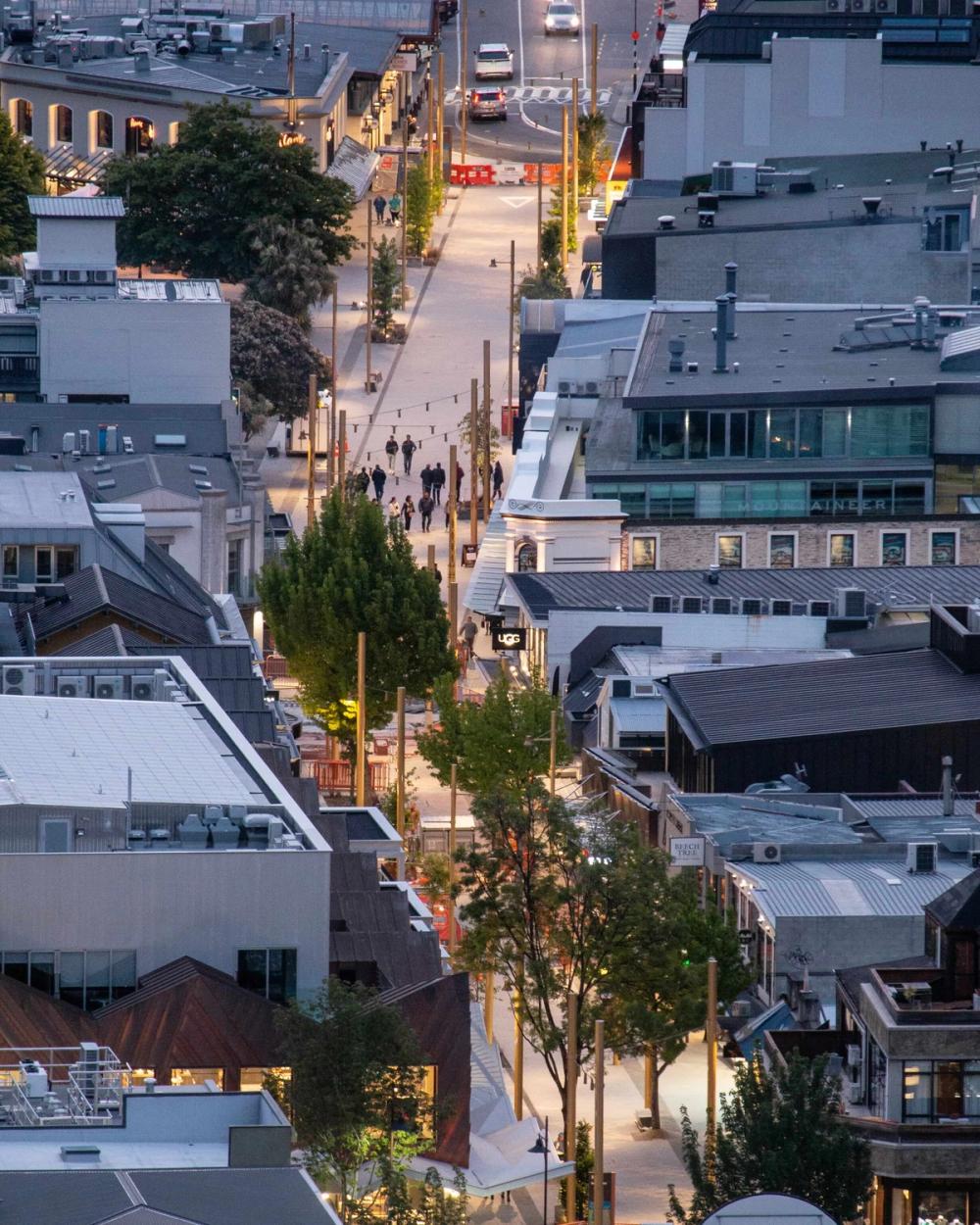
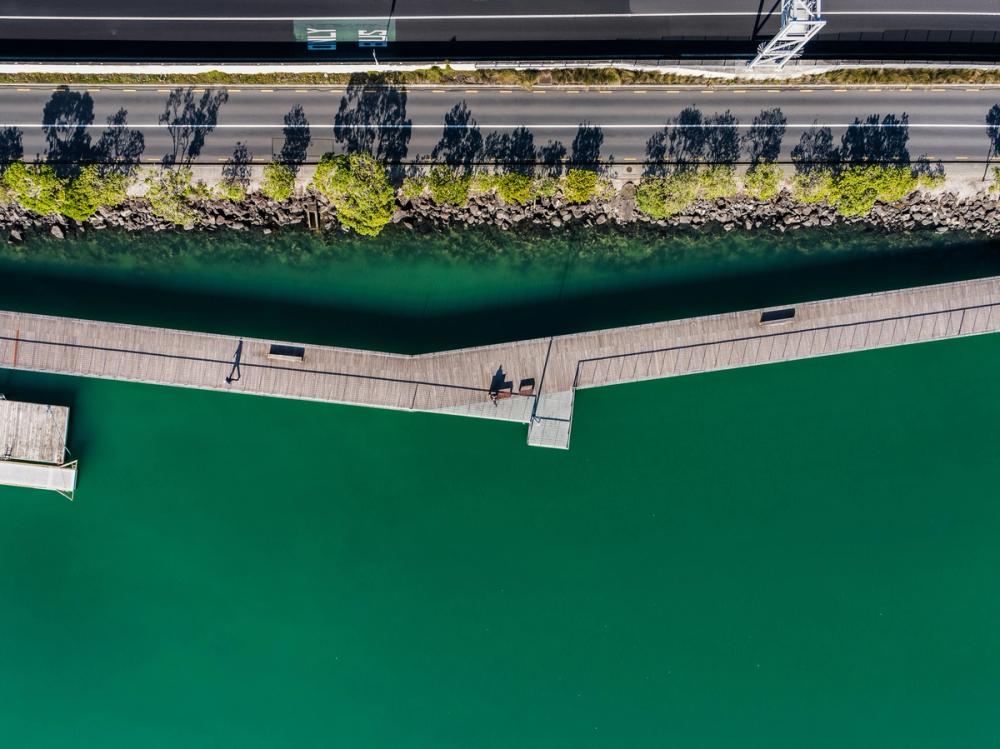
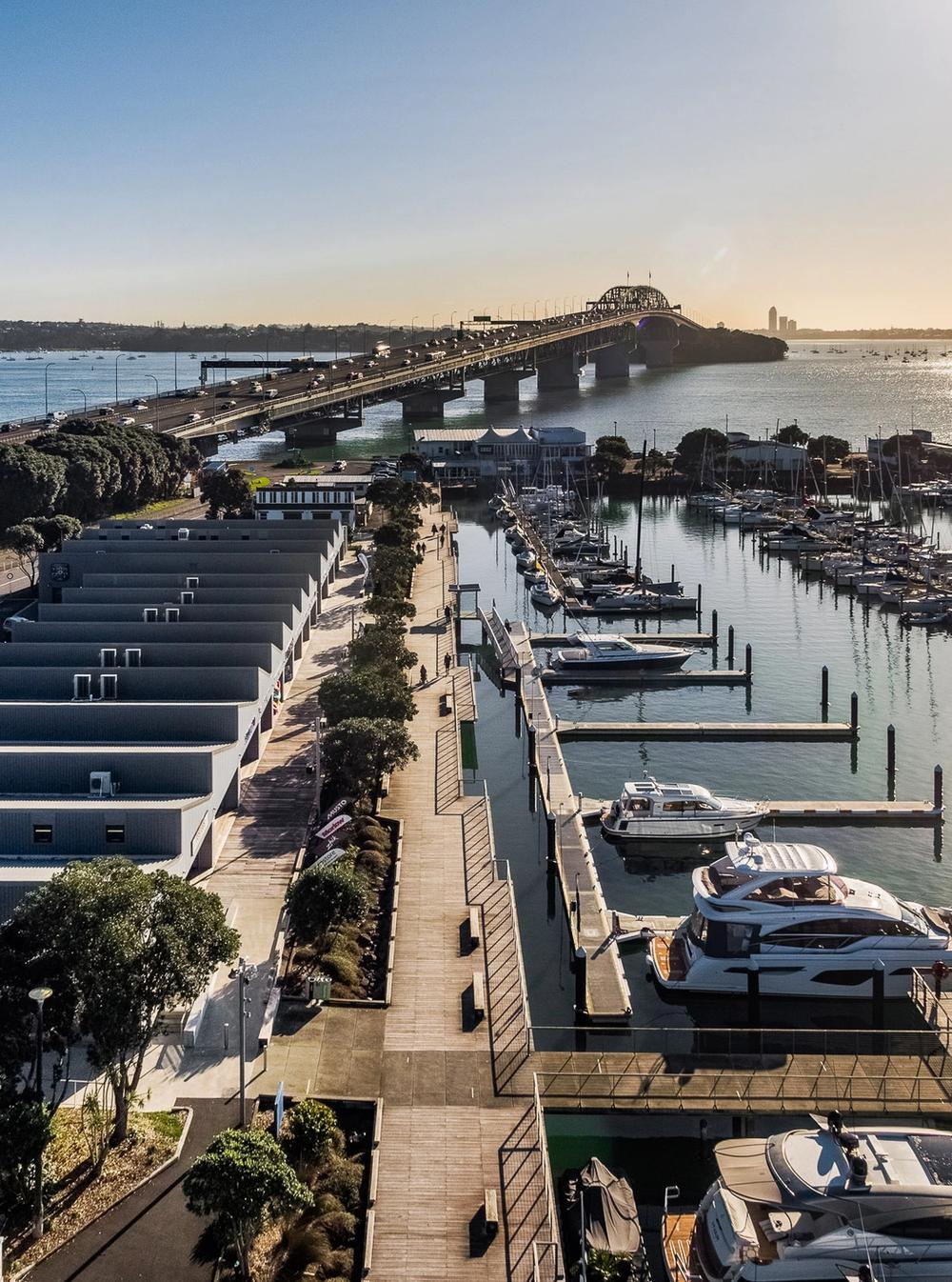
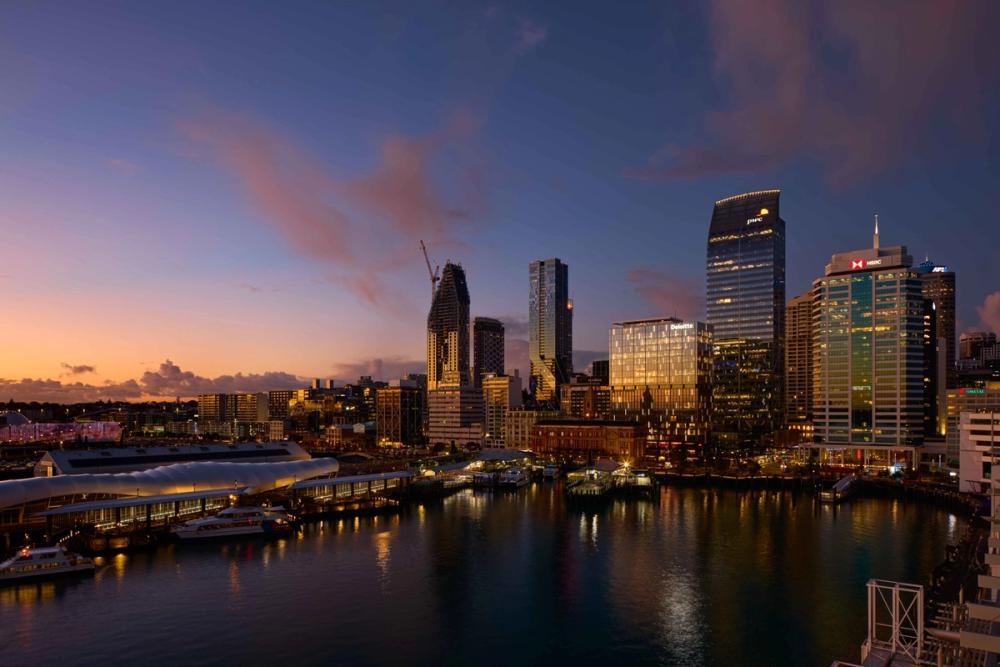
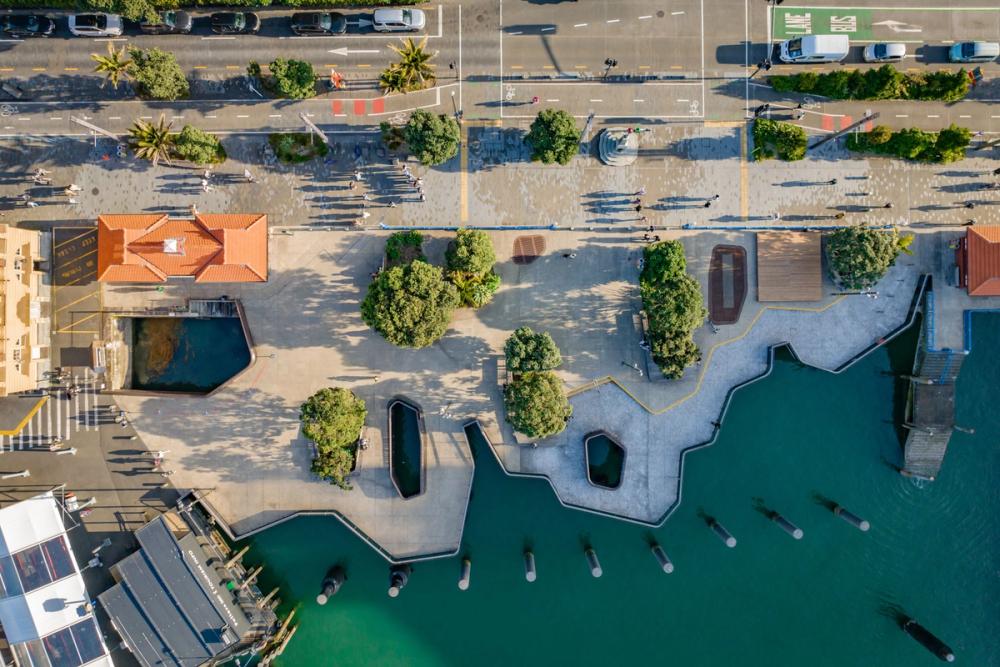
The programme opened in July 2021, ahead of the America's Cup. It left the seawall strengthened to protect the waterfront and its utilities for the next hundred years, six new ferry berths, a multimodal bus interchange, a protected cycleway and wider footpaths, and new planting and public space along the water. Mana whenua worked as co-designers throughout, shaping a waterfront meant to be recognisably Tāmaki Makaurau, from the cultural elements of Te Wānanga to the marine habitat built beneath its decks.