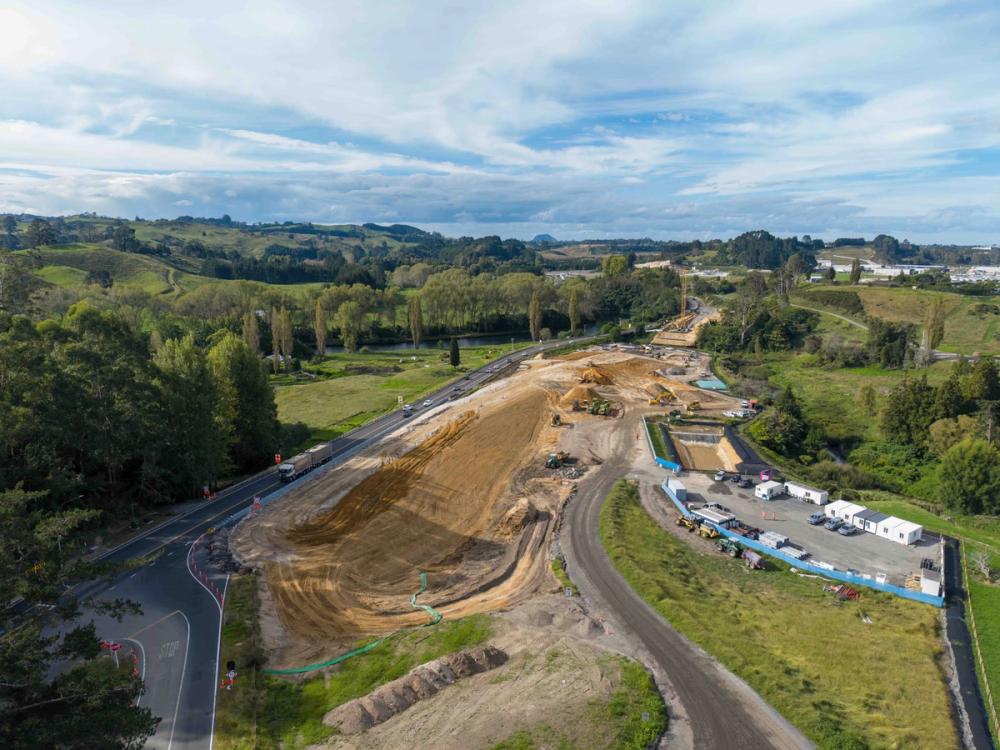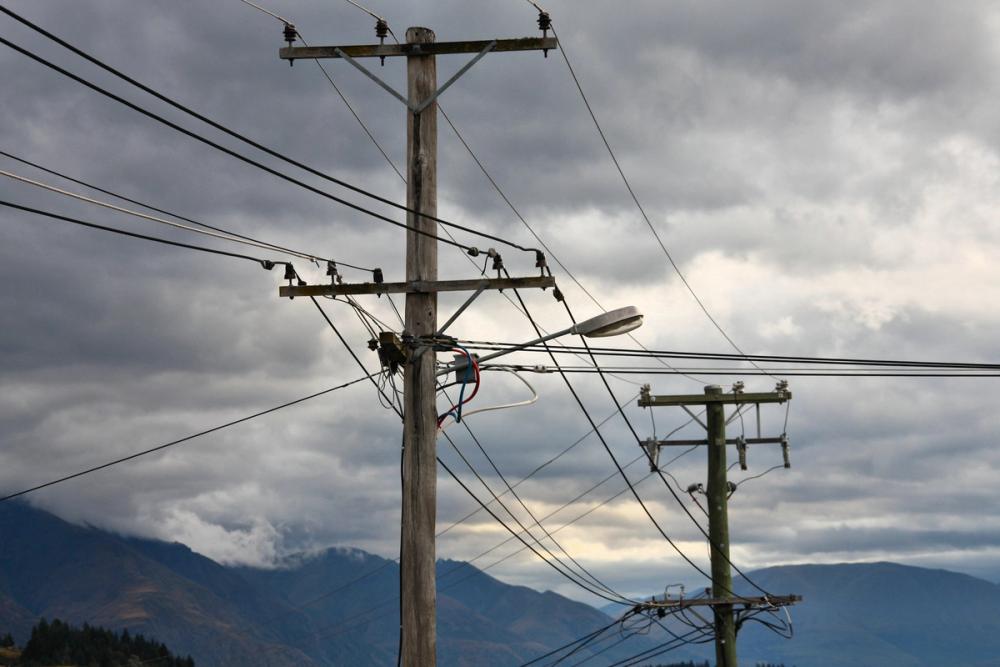

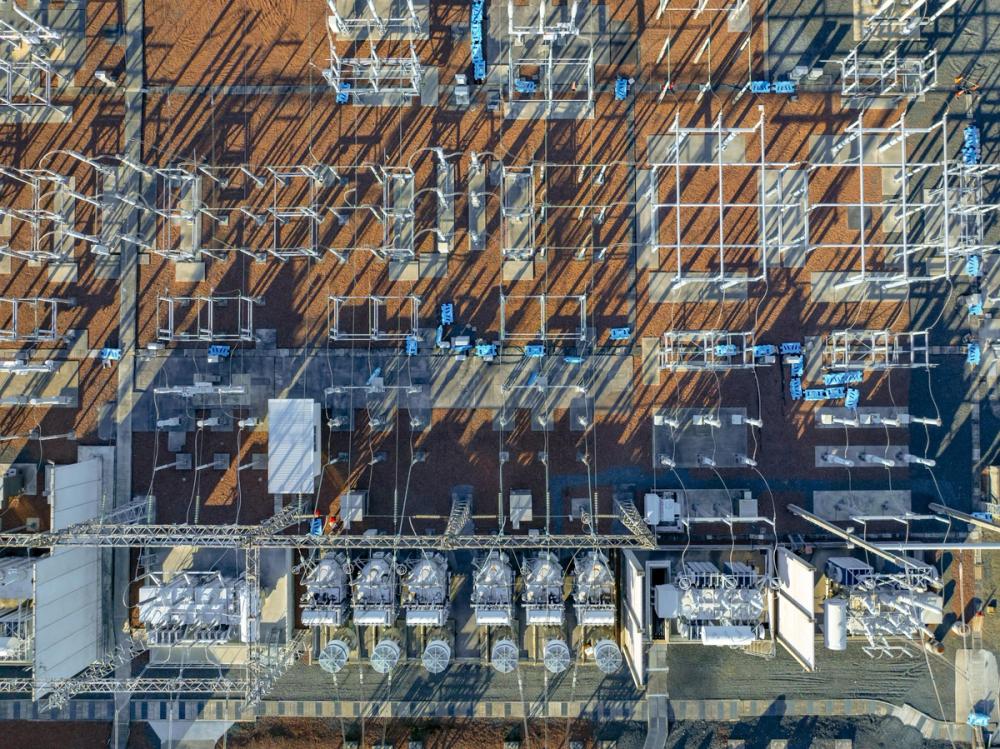
To address this need, Transpower's Net Zero Grid Pathways programme will coordinate planning, consultation, and solicitation of investment from the Commerce Commission. This initiative, additional to the routine maintenance and refurbishment, aims to enhance the Grid in two phases: first focusing on the central North Island and the HVDC link by 2035, followed by a nationwide expansion beyond 2035.
There is a general Industry consensus that resource constraints will be a key challenge for the delivery of Transpower's Net Zero Grid programme. Such constraints relate to having a construction, engineering consultancy, and project management workforce capable of delivering what is required, within decarbonization timeframes. A 2022 sector funded research report, Re-Energise – Ngā Mahi A Māui, estimated that the sector will require an additional 700 engineers and construction workers per year, to not only grow the workforce, but to replace the natural attrition created by a retiring workforce. Vocational training is a key challenge for the electrical sector, as it needs to provide attractive career pathways. Some have called for the development of a sector workforce development strategy, and organisations such as Ngā Mahi A Māui and Energy Resources Aotearoa have developed comprehensive strategy documents to help respond to this challenge. The tertiary sector is also adapting to the energy resource challenge by developing a new energy curriculum. Nevertheless, this issue is arguably an intergenerational issue, given the short timeframe in which our workforce capacity is required to increase.
A streamlined consenting process is expected to occur with changes to the Resource Management Act and the current Government's fast-track approvals process. This is expected to significantly reduce time during the pre-construction phase of Grid upgrade projects. In order to address this increased demand, Transpower may need to integrate the work into their routine grid planning and design processes, however, this can be time consuming. Additionally, Transpower's Net Zero Grid Programme, with a target date of 2030, does not appear or be aligned with decarbonisation timelines, which extend well beyond this date.
In summary, a key constraint to achieving the country's decarbonization targets is developing the depth and breadth of New Zealand's Electrical Industry workforce. Without these resources, we will struggle to undertake the design and construction at the rate required to achieve the transmission grid expenditure on a per annum basis. In short, we may not be able to spend the money fast enough. On this basis, while we can feel optimistic about our ability to create renewable energy in the timeframes set, we appear to be still engaged in the lower gears of our transmission grid journey, which while less glamorous, it is an equally important part of New Zealand's decarbonisation pathway.